

Filming with anyone below the age of 18 means there are additional policies and regulations that your production must follow, and this can sometimes feel daunting.
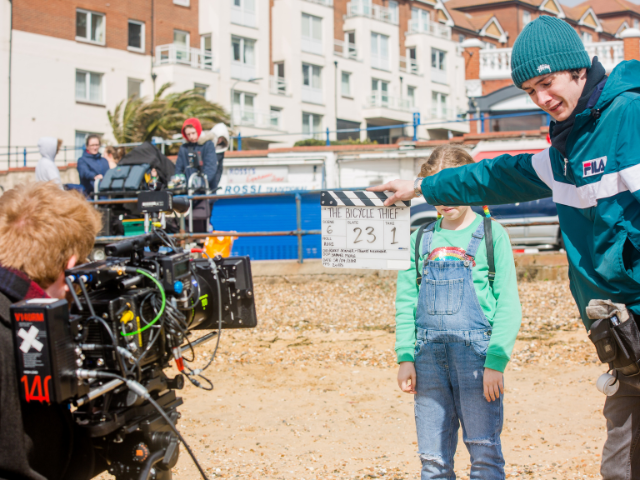
In June 2024 Arlene de Cruz (Founder, The Children’s Productions Support Hub) and Claire Tailyour (award-winning drama and documentary writer-director) joined Directors UK to discuss the practical considerations to keep in mind when working with children, as well as the best tools and frameworks to use.
Abstract:
It’s important to have a plan in place from the moment you begin casting, through to the point where your production is released to the world. The key points to keep in mind are:
• Casting: Whilst not a requirement, it is encouraged to have chaperones present during casting, either in the room or watching via a monitor elsewhere. Having chaperones present during this early stage can build trust with parents/guardians and can also make your young actors feel more at ease, resulting in better auditions.
• Costume fittings: Chaperones should be present during fittings to help create a safe environment for everyone. You should consider what safeguards you have put in place for your fitting team, also.
• Read-through sessions: Children may not be required throughout the entirety of your read-through sessions, so it’s also important to have chaperones on hand. This can be a great moment to sit down with parents/guardians and go through important logistics such as allergy info, accessibility requirements, etc. It’s encouraged to have a “parent pack” produced, which includes all this information.
• Rehearsals: Have the relevant licenses (see below) in place for rehearsals. As with read-through sessions, children may not be required through the duration of rehearsals so this could be a good time to bank some tutoring hours (see below) ahead of time.
• Transport: From the moment your young actors leave their home, they are your responsibility. Make sure their travel is arranged so that they are safe and comfortable, and there is a limited risk of them being unable to make their way to set due to unforeseen circumstances. And remember that Travel Movement Orders can throw off a child’s required tutor hours, so it’s incredibly important to get this right.
• Accommodation: If overnight stays are necessary, think about the best ways to safeguard your child actors in this environment. “Parent packs” are very useful for overnight stays. It’s recommended to have an accommodation checklist that is signed off by parents/guardians in the event of an overnight stay.
• On set: It’s crucial that the whole cast and crew is aware of what your young actors should and shouldn’t be exposed to. Check in with stunt teams, intimacy coordinators, choreographers, etc., to ensure that children are safe whilst on set.
• ADR’s: If steps have been taken to limit a child’s exposure to certain elements of a production whilst on set, you should ensure that they are not exposed to these during any ADR.
• Interviews and screenings: When your finished project has been released, what elements do your young actors need to be protected from? For example, you should make sure that they’re not asked about inappropriate themes or scenes on their press tour.
The article continues >> http://directors.uk.com/career-development/top-tips-for-working-with-under-18s-in-film-and-tv?